
Ads
If your AC seems weaker each summer, your bills creep up, and indoor air feels dusty or damp, you’re not alone. Better news: a handful of Essential Air Conditioner Maintenance Tips can bring cooling back, trim energy use, and help the system last longer—no fancy tools required. In the pages below, you’ll see the problem explained, a step-by-step plan, and research-backed ideas anyone can use, whether the setup is a window unit, a split system, or central HVAC. Keep reading to dodge mid-heatwave breakdowns and enjoy cool, clean, reliable air without overspending.
Ads
Why Air Conditioner Maintenance Matters for Comfort, Health, and Your Wallet
In heat and humidity, air conditioners work hard: warm air passes over cold coils, moisture is removed, and cool air circulates through your space. Over time, dust, pet hair, and outdoor debris clog filters and coat coils. A thin film of dirt acts like insulation on the coil, so the system runs longer and draws more power. According to the U.S. Department of Energy, basic tasks like changing filters can cut AC energy use by 5–15%—a difference you’ll see on summer bills. Skip maintenance and the unit strains to hit set temperatures, wearing out parts such as the compressor and fan motors faster.
Indoor air quality benefits too. A clean filter captures allergens and fine particles; a clear drain discourages musty odors and mold. In humid climates, a clogged condensate line can push water back into the system or your home, causing damage or tripping a safety switch that shuts everything down. A quick inspection and a small dose of cleaning solution prevent that headache.
Comfort counts as well. When coils are dirty or refrigerant is low, the AC may cool but fail to dehumidify, leaving rooms clammy. Proper maintenance restores both cooling and moisture removal. In practice, you’ll get fewer hot spots, faster cooldowns when you arrive home, and less need to overcool just to feel comfortable.
Reliability rounds out the list. Many surprise breakdowns trace back to neglect: restricted airflow, overheating motors, frozen coils, or ignored warning noises. With seasonal upkeep, issues are caught early and repairs can be scheduled on your terms—before heatwaves hit and technicians are fully booked. Over a few summers, a simple routine can save hundreds in energy and repair costs while adding years to your system’s life.
Step-by-Step: Essential Air Conditioner Maintenance Tips You Can Do at Home
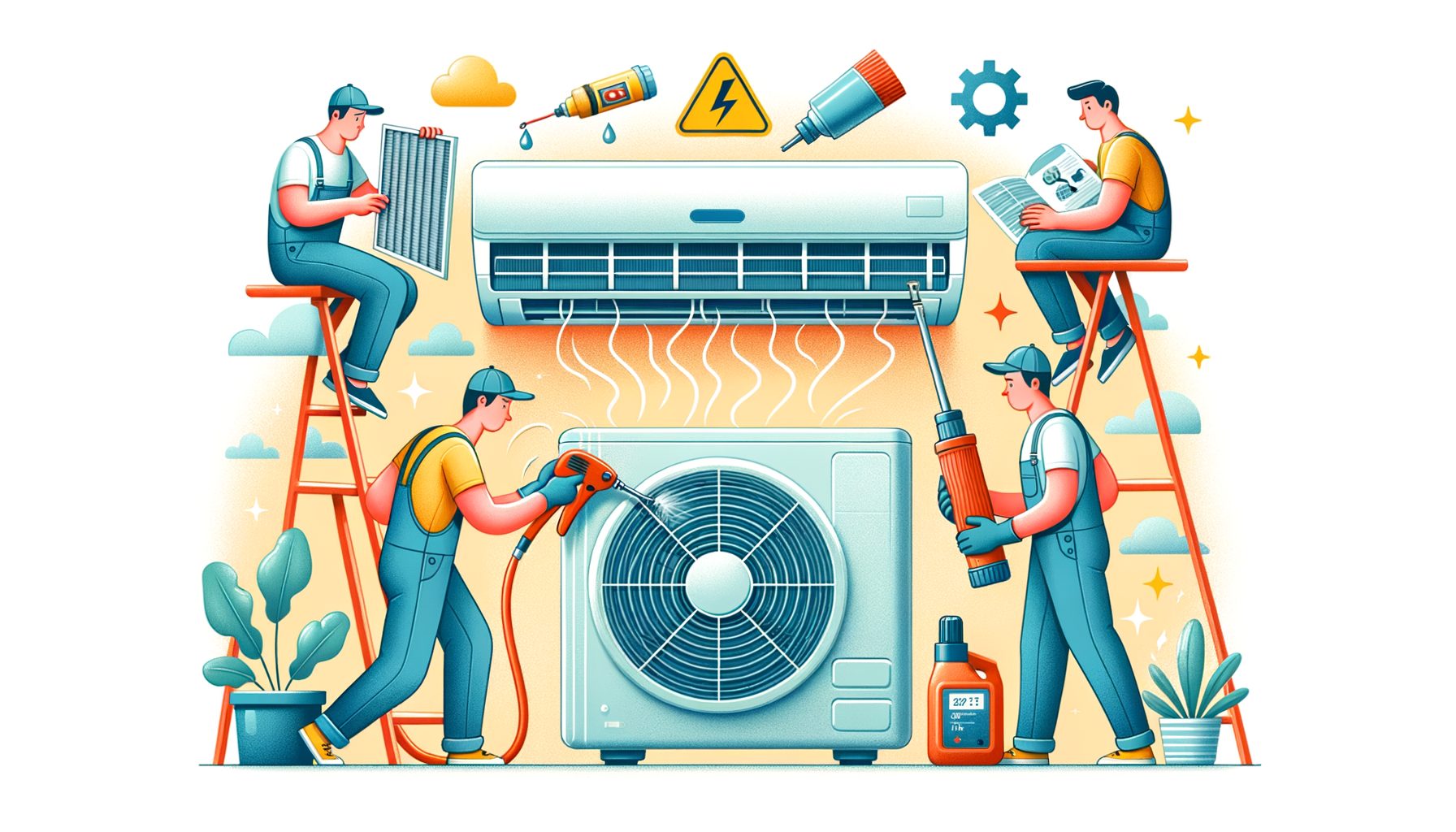
Start with safety. Turn off power at the switch or breaker before opening panels. If you’re working on a window unit or a mini-split indoor head, unplug it first. Keep a soft brush, microfiber cloths, a vacuum with a brush attachment, a fin comb (optional), a small cup, distilled white vinegar, and a new filter on hand. With those on hand, about 90% of homeowner maintenance is covered.
1) Replace or clean the air filter: Check monthly during peak season; replace at least every 2–3 months, or clean if it’s washable. A fresh filter improves airflow, reduces strain, and helps keep the coil clean. Choose a reasonable MERV (8–11 for most homes). Ultra-high MERV can restrict airflow if your system isn’t designed for it.
2) Clear the outdoor unit (condensing unit) or window unit intake: Remove leaves, lint, and plastic bags within 60–90 cm (2–3 feet) around the unit. Gently vacuum the coil surface. Straighten bent fins with a fin comb. Avoid pressure-washing—high pressure can flatten fins.
3) Clean indoor coils and blower area (access permitting): Many systems allow removal of an access panel to check for dust buildup. Use a coil-safe cleaner or lightly dampen a microfiber cloth with distilled water to wipe accessible surfaces. Steer clear of electronics. Cleaner coils mean faster cooling and lower energy draw.
4) Unclog the condensate drain: Pour 1/2 cup of distilled white vinegar into the condensate line access (often near the indoor air handler) every month during heavy use. That inhibits algae growth and musty odors. For window units, verify the drain path is open and the unit tilts slightly outward so water flows outside.
5) Check and seal air leaks: Inspect supply registers and return grilles; vacuum dust and make sure furniture isn’t blocking them. If you have ducted central AC, look for visible gaps or loose connections in accessible runs and seal with mastic or UL-listed foil tape (not cloth duct tape). Even small leaks waste energy.
6) Optimize thermostat settings and schedules: Use a smart or programmable thermostat. Set temperatures a bit higher when you’re away and cool just before you return. Keeping it steady—rather than big swings—can improve comfort and reduce peak load. Try 24–26°C (75–78°F) when home and higher when away, adjusting for climate and preference.
7) Improve airflow indoors: Open interior doors, pull rugs back from floor vents, and keep a hand’s width of clearance around wall-mounted mini-split heads. Run ceiling fans counterclockwise in summer to feel cooler at the same temperature.
Real-world result: After replacing a clogged filter on a 2.5-ton split system and vacuuming the outdoor coil, power draw at a steady 24°C dropped by roughly 8–10% (measured via a smart energy monitor), while cooldown time improved by several minutes. Small tasks, big payoffs.
Suggested maintenance rhythm and impact:
| Task | Recommended Frequency | Potential Impact |
|---|---|---|
| Filter change/clean | Monthly check; replace 2–3 months (peak) | 5–10% energy savings; better air quality |
| Outdoor coil cleaning | Seasonally; after storms | Faster cooldown; reduces compressor strain |
| Condensate drain vinegar flush | Monthly in cooling season | Prevents leaks, mold, and shutdowns |
| Duct leak inspection (DIY) | Twice a year | Improved airflow; lower runtime |
| Thermostat schedule optimization | Season start and after lifestyle changes | Peak load reduction; comfort consistency |
For deeper how-tos and safety tips, see the U.S. Department of Energy’s Energy Saver guidance: energy.gov/energysaver, and equipment-specific advice from ENERGY STAR: energystar.gov.
When to Call a Professional HVAC Technician
DIY maintenance handles airflow, cleanliness, and simple drainage. Some problems, however, need trained technicians and specialized gauges. Call a pro if you notice uneven cooling across multiple rooms despite clean filters, ice on refrigerant lines or the indoor coil, short-cycling (rapid starts and stops), unusually high energy bills without a lifestyle change, loud grinding or buzzing noises, or persistent odors even after cleaning the drain.
Professionals measure refrigerant charge, test electrical components, verify airflow, check duct static pressure, and confirm safety controls. A proper tune-up often includes coil cleaning, blower motor assessment, capacitor testing, tightening connections, and verifying that the system meets its designed performance. If older refrigerants are in use or a slow leak is suspected, a pro will locate and fix the leak—topping off without repair is a short-term bandage and, in many regions, not permitted by regulation.
Frequency matters. An annual check before peak season is a solid baseline, especially for systems older than five years or in hot, humid climates where the AC runs many hours a day. If a mini-split provides both cooling and heating, schedule service before each high-demand season. Preventive service typically costs far less than an emergency repair during a heatwave, when labor and parts spike and wait times grow long.
If you rent, ask your landlord or property manager for the unit’s maintenance history. Such a record helps technicians diagnose faster and can protect warranties that require proof of regular care.
For global standards and best practices, check ASHRAE resources: ashrae.org. For energy policy context and efficiency trends worldwide, see the International Energy Agency: iea.org.
Smart Habits That Boost Efficiency All Year
Efficient AC depends on the whole home, not just the unit. Start by limiting heat load: close blinds or curtains on sun-facing windows during peak hours, add reflective shades or low-cost window films in hot regions, and seal gaps around doors and windows with weatherstripping. If possible, insulate the attic and any exposed ducts so cooled air stays cool on its way to your rooms.
Manage temperature setpoints thoughtfully. Big swings can lead to long, uncomfortable recovery times. Many households prefer a “set and optimize” approach: pick a comfortable temperature, use ceiling fans for wind-chill, and schedule modest setbacks when away (2–4°C / 3–7°F). Fans sip power compared with compressors and can make a room feel 2–3°C cooler at the same thermostat setting.
Keep heat sources and electronics away from the thermostat or indoor mini-split head. A thermostat over a TV or near a sunny window misreads your home and can overcool. Likewise, don’t block return air with furniture or decor—the system needs free airflow to run efficiently.
Consider smart controls. A connected thermostat or mini-split controller can use geofencing to precool just before you arrive, and scheduling to avoid waste while you’re out. Some models provide energy reports, helping you spot patterns and dial in settings. If the system is older and a replacement is on the horizon, compare efficiency ratings (SEER2/SEER or local equivalents) and look for inverter-driven equipment that modulates output smoothly, often more quietly and with less energy.
Set reminders, too. Use your phone to schedule filter checks, drain flushes, and outdoor unit inspections. Increase frequency during dust or pollen season. Pet owners should expect to check filters more often. Simple habits, repeated through the year, keep performance steady and stop small issues from becoming big ones.
For more efficiency ideas and indoor air quality tips, the U.S. EPA offers practical guides here: epa.gov/indoor-air-quality-iaq.
Q&A: Common Questions About AC Maintenance
Q: How often should I change my AC filter?
A: Check monthly during heavy use and replace every 2–3 months for most homes. If you have pets, allergies, or live in a dusty area, expect to replace more frequently. A clean filter is the simplest way to reduce energy use and protect your system.
Q: Can coil cleaning really make a difference?
A: Yes. Even a thin coating of dust acts like a blanket on the coil, reducing heat transfer. Cleaning restores efficiency and can shorten runtime. Use coil-safe cleaners and gentle methods; avoid high-pressure sprays that bend fins.
Q: Why is there water near my indoor unit?
A: That’s usually condensed moisture that should drain away through a condensate line. If the line is clogged, water backs up and may trigger a safety float switch that shuts the system down. A monthly 1/2 cup of distilled white vinegar in the drain access helps prevent algae growth. If water persists, call a pro.
Q: Is it worth getting a professional tune-up every year?
A: In most cases, yes—especially in hot climates or for older systems. A technician can verify refrigerant levels, electrical health, and airflow, catching small issues before they break costly parts. Many warranties require documented maintenance, and a tune-up often pays for itself through lower energy use and fewer emergency calls.
Q: What temperature should I set to balance comfort and savings?
A: Try 24–26°C (75–78°F) when at home, adjusted to your preference. Use ceiling fans to feel cooler at the same temperature. When away, raise the setpoint by 2–4°C (3–7°F) to limit waste but avoid extreme setbacks that cause long recovery times.
Conclusion: Keep Cool, Save Money, Breathe Easier
Here’s the bottom line: regular, simple maintenance keeps your AC efficient, reliable, and clean. You learned why upkeep matters (lower bills, better comfort, healthier air), the exact Essential Air Conditioner Maintenance Tips to follow (filters, coils, drains, airflow, thermostat settings), when to call a professional (refrigerant, electrical, performance checks), and the smart habits that amplify results (shade, sealing, fans, smart controls). Small tasks done consistently deliver big results—faster cooldowns, fewer breakdowns, and meaningful energy savings through the hottest months.
Start today. Pick one action—change the filter, flush the drain with vinegar, or clear debris around the outdoor unit—and set a calendar reminder to repeat it. Then schedule a pre-season professional check if your system hasn’t had one in the last year. If you rent, share this guide with your landlord and ask about the maintenance schedule. Homeowners can keep a simple log so you never wonder when the system was last serviced.
Next steps: bookmark the Energy Saver page at energy.gov/energysaver, review the maintenance table above, and set your thermostat schedule for the week. Consider adding a smart plug or energy monitor to see your real-time savings—it’s motivating to watch the numbers drop after a quick cleaning.
Comfort isn’t an accident; it’s a habit. With a few minutes each month, you can keep cool, save money, and breathe easier all season long. Ready to make your AC run like new? What’s the first maintenance task you’ll tackle today?
Sources
U.S. Department of Energy — Energy Saver: Central Air Conditioning: https://www.energy.gov/energysaver/central-air-conditioning
ENERGY STAR — Heating & Cooling: https://www.energystar.gov/saveathome/heating_cooling
U.S. Environmental Protection Agency — Indoor Air Quality: https://www.epa.gov/indoor-air-quality-iaq
ASHRAE — Technical Resources: https://www.ashrae.org/technical-resources
International Energy Agency — Energy Efficiency: https://www.iea.org/topics/energy-efficiency